

We Empower Clients
Understand your legal options and available alternatives so you can make an informed decision on how to proceed effectively.
Our tagline is: Educate, Collaborate, Mediate or Litigate (sm). You can count on Horizons Law Group's experienced attorneys to:
- Educate you about legal options and strategies to understand possible solutions.
- Collaborate with other professionals to help you make informed decisions.
- Mediate disputes to obtain the best possible negotiated resolution.
- Litigate when necessary to seek the fairness you deserve.
Contact Us Today!
Expertise You Can Count On
Our core range of attorney services includes:
- Divorce & Legal Separation - Mediation, Collaborative, Traditional, Pro Se (limited scope assistance)
- Family Law - Child Support, Custody, Post-Divorce Modifications, Guardianship, Paternity, Post-Judgment Motions, Adoption, Name Change
- Real Estate - Home Sale or Purchase, Deeds, Transfer on Death Deed (like beneficiary on home)
- Estate Planning - Wills, Trusts, Probate, Financial & Healthcare Power of Attorney, Living Wills
- Mortgage Relief - Foreclosure Defense
- Probate - Informal Probate, Special Administration, or Affidavit of Transfer (under $50,000) for simple estates
What Differentiates US? Service Options & Logic!
Common Mistakes in Divorce : Podcast
Both flat fee and hourly service options are available to meet your specific legal needs.
At Horizons Law Group, we're committed to ensuring the expertise you need to arrive at the solution best for you.
Serving Wisconsin
Horizons Law Group provides legal services throughout Wisconsin with a focus on Waukesha and Milwaukee Counties.
A Founding Philosophy: Educating Clients
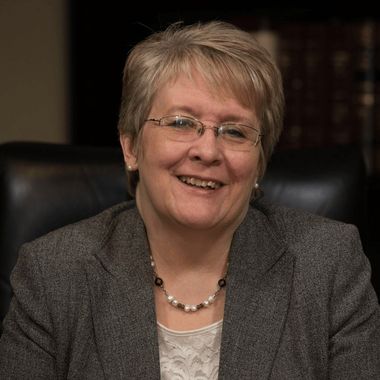
Horizons Law Group was founded in the year 2000 by Attorney Michelle Fitzgerald, a former math teacher who turned her passion for education into her core practice philosophy of helping clients understand the law and their legal options.
Horizons Law Group educates clients in divorce, estate planning, family law, foreclosure defense, mediation, probate, residential real estate, wills, trusts and more. We offer flexible fee options and service levels from full representation to limited scope assistance with things like preparing exhibits for a hearing, completing court documents to ensure your case is not dismissed on a technicality, or analyzing settlement offers and making appropriate responses - also called coaching and consulting services. The legal world is changing and options for individualized advice, direction and legal review should also. Contact us today for your review.
Horizons Law Group provides personalized attention from dedicated attorneys committed to achieving the best possible outcome for each client.
Call today to see how we can empower you! (262) 432-3600


General Law Firm Questions
1. What does Horizons Law Group specialize in?
Horizons Law Group focuses on
family law (including divorce and custody), estate planning, probate, residential real estate matters, foreclosure defense, and mediation services. The firm emphasizes practical solutions, client education, and flexible legal support tailored to individual needs.
2. Do I really need a lawyer for my situation?
While not every legal issue legally requires an attorney, having a lawyer helps protect your rights, avoid costly mistakes, and navigate complex laws and court procedures. Many clients seek legal guidance to gain clarity, confidence, and peace of mind.
3. How much does a lawyer cost at Horizons Law Group?
Legal fees depend on the type and complexity of your case. Horizons Law Group offers
flat-fee and hourly billing options, allowing clients to choose a structure that best fits their situation and budget.
4. Do you offer free consultations?
Yes. Horizons Law Group offers a
free 15-minute consultation so potential clients can discuss their situation, ask questions, and determine next steps before committing themselves to legal services.
5. Where is Horizons Law Group located and who do you serve?
The firm is based in
Wisconsin and serves clients in
Waukesha County, Milwaukee County, and surrounding areas, including Brookfield, Waukesha, Pewaukee, New Berlin, and nearby communities.
Divorce & Family Law – FAQs
1. Do I need a lawyer to get divorced in Wisconsin?
You are not legally required to hire a lawyer, but divorce involves complex legal, financial, and parenting issues. An attorney helps protect your rights and ensures agreements are legally enforceable.
2. What is the difference between contested and uncontested divorce?
An uncontested divorce occurs when both spouses agree on all major issues. A contested divorce involves disagreements that may require negotiation, mediation, or court involvement.
3. How long does a divorce take in Wisconsin?
The timeline depends on the complexity of the case and whether spouses agree on key issues. Some cases will resolve in a few months, while contested cases may take longer.
4. Will I have to go to court for my divorce?
Not always. Many divorces are resolved through negotiation or mediation. Court appearances are more common when disputes cannot be resolved outside of court.
5. How is property divided in a divorce?
Property division is based on Wisconsin’s marital property laws and factors such as length of marriage, contributions of each spouse, and financial circumstances.
6. How is child custody determined?
Custody decisions are based on the
best interests of the child, including factors like parental involvement, stability, and the child’s emotional and physical well-being.
7. Can child support or maintenance be modified later?
Yes. Child support and spousal maintenance may be modified if there is a substantial change in circumstances, such as income changes or relocation.
8. Is mediation an option for divorce and custody disputes?
Yes. Mediation can help spouses resolve issues more cooperatively, often saving time, stress, and legal costs.
9.
What is the difference between contested and uncontested divorce?
An
uncontested divorce means both spouses agree on major issues like property division and custody. A
contested divorce involves disagreements that may require negotiation, mediation, or court involvement.
10.
Can grandparents or other relatives get visitation rights?
In some situations, Wisconsin law allows grandparents or relatives to seek visitation rights, particularly when it is in the child’s best interest. An attorney can explain how the law applies to your situation.
Estate Planning – FAQs
1. Do I need an estate plan if I don’t own much?
Yes. Estate planning ensures your wishes are followed, names guardians for minor children, and avoids confusion for loved ones.
2. What documents are included in an estate plan?
Common documents include
wills, trusts, financial powers of attorney, healthcare directives, and guardianship designations.
3. What is the difference between a will and a trust?
A will outlines how assets are distributed and goes through probate. A trust can help avoid probate and provide greater control over asset distribution.
4. What happens if I die without a will in Wisconsin?
State law determines how your assets are distributed, which may not reflect your wishes and can create delays for family members.
5. Should I update my estate plan after divorce or remarriage?
Yes. Major life events such as divorce, marriage, or having children are strong reasons to update your estate plan.
6. Can estate planning help avoid probate?
Yes. Certain tools, such as trusts and beneficiary designations, can reduce or eliminate the need for probate.
Probate & Trust Administration – FAQs
1. What is probate?
Probate is the legal process of settling a deceased person’s estate, including paying debts and distributing assets.
2. How long does probate take?
The timeline varies depending on the complexity of the estate and whether disputes arise.
3. Do all estates have to go through probate?
No. Some estates may avoid probate through trusts, joint ownership, or beneficiary designations.
4. What does a personal representative do?
A personal representative manages estate assets, pays debts, and distributes property according to the will or state law.
Mediation & Alternative Dispute Resolution – FAQs
1. What is mediation?
Mediation is a voluntary process where a neutral third party helps people resolve disputes outside of court.
2. Is mediation legally binding?
Agreements reached in mediation can become legally binding once properly documented and approved, if required.
3. Is mediation confidential?
Yes. Mediation is generally confidential, allowing parties to speak openly without fear of court disclosure.
4. When is mediation a good option?
Mediation is often effective for divorce, custody disputes, family conflicts, and other civil matters where cooperation is possible.
General Client & Consultation FAQs
1. Do you offer free consultations?
Yes. Horizons Law Group offers a
free 15-minute consultation to discuss your situation and options.
2. What should I bring to my consultation?
Bring any relevant documents such as court papers, financial records, or agreements related to your case.
3. How are legal fees structured?
The firm offers
flat-fee and hourly billing options, depending on the service provided.
4. Is my information confidential?
Yes. All communications are protected by attorney-client confidentiality.